
Personal Brand vs Business Brand: Which Should You Choose in 2026?
Understanding Personal Brand vs Business Brand
When starting your online business, one of your first major decisions is whether to build a personal brand or a business brand. This choice affects everything from how you name your business to how you show up on social media. Should you put your face and name front and center, or create a faceless brand that lets your content do the talking?
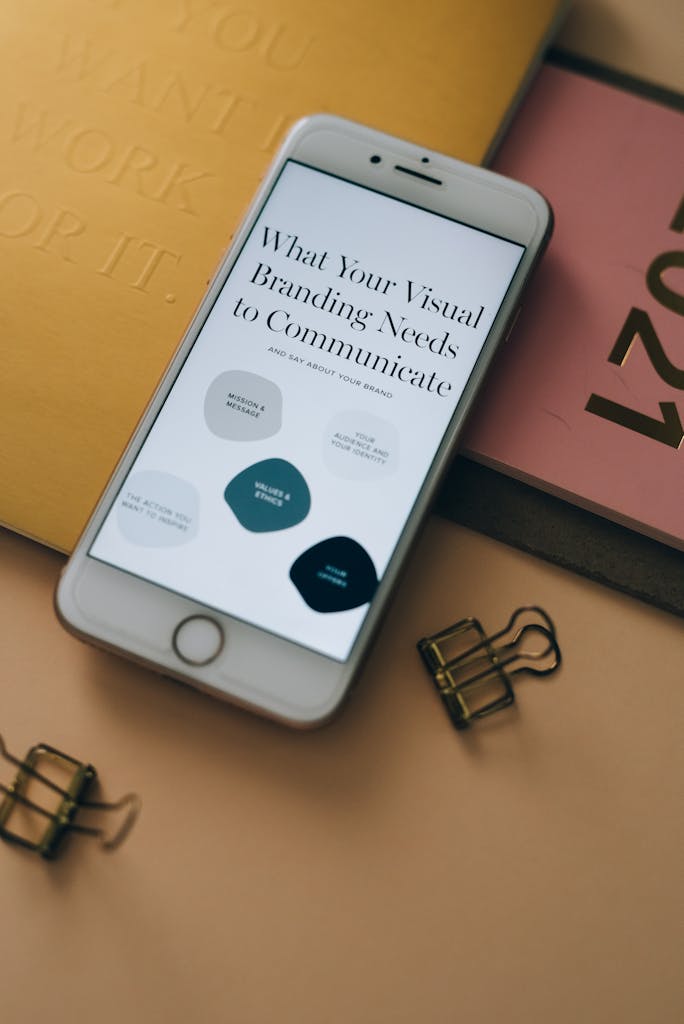
Choosing whether to build a personal brand vs business brand is one of the first decisions you’ll face when starting an online business. The truth? There’s no one-size-fits-all answer, especially for midlife beginners who want to grow authentically, not just follow trends.
Personal Brand (your name + your face)
Let’s explore the pros, cons, and what to share (and not share) in each brand model so you can build with clarity and confidence.
Examples: @firstlastname or firstlastname.com or @tonyrobbins. Tony Robbins is well known as a motivational speaker. He IS the brand. Same for @marieforleo (Marie Forleo).
Pros:
- Build trust faster (people connect with people)
- Easier to pivot or shift niches
- Allows for storytelling, vulnerability, and personal connection
- Great for coaching, mentoring, or services
Cons:
- Harder to separate life from business
- May feel exposed or pressured to share everything
- Content must still stay strategic or it can feel off-brand
- Harder to sell the business since it’s tied to your name
What to Share:
- Your why, your journey, lessons learned, behind the scenes
- Opinions or stories related to your niche
- Light glimpses into life (family, routines, wins), but tied to your message
What to Avoid:
- Oversharing personal struggles without a takeaway
- Turning your brand into a “diary” instead of a helpful resource
Business Brand
This can be faceless or face forward, depending on your goals. Let’s explore the pros, cons, and what to share (and not share) in both the faceless and face forward approach.
Faceless Brand
Faceless Example: @Digital_Midlife or digitalmidlife.com
Pros:
- Ideal for introverts or privacy-focused creators
- No pressure to show up on camera or reveal your life
- Easier to systemize, scale, sell or outsource later
- Focus stays on value and content
Cons:
- Trust takes longer to build
- May feel “cold” or generic if not intentionally branded
- Requires stronger design, tone, and consistent messaging
- Still requires boundaries around what you share and how often
What to Share:
- Tips, tools, how-tos, checklists, educational content
- User-friendly templates, blog posts, product walkthroughs
- Your origin story and relatable struggles to your niche/business
- Lessons you’ve learned in your business
What to Avoid:
- Random personal info, it can feel disconnected or irrelevant
- Faceless doesn’t = voiceless. You still need warmth and personality in writing!
Face Forward Brand
Face Forward Examples: @theminimalists or @cybersecuritygirl
Pros:
- Builds trust faster than a faceless approach (people see you)
- Creates a stronger personal connection with your audience
- Easier to stand out in crowded markets
- Lets you leverage your personality and presence in content
Cons:
- Requires regular on-camera presence
- Less privacy than a faceless brand
- Still requires boundaries around personal sharing
- Can feel confusing if your messaging isn’t consistent
What to Share:
- Your origin story and why you started the business
- Educational content with you as the guide
- Behind-the-scenes of your business journey
- Day-in-the-life content tied to your niche
- Strategic personal stories that support your mission
- Wins, lessons learned, and progress updates
What to Avoid:
- Random personal updates unrelated to your business
- Oversharing family or relationship drama
- Political or controversial topics outside your niche
- Turning your brand into a personal diary
- Posting “filler” content just to stay consistent
Still Unsure?
My recommendation would be to consider what makes sense for where you are right now while starting your new business. As an example: for me while I’m still working full time, I chose to start out faceless and with minimal pressure which allows me to grow at a comfortable pace while I’m learning. That means a faceless business brand works best for my situation.
Personal brand vs business brand comparison:
| Feature/Aspect | Personal Brand (Face) | Business Brand (Face) | Business Brand (Faceless) |
|---|---|---|---|
| Identity | You are the brand (name, face, story) | Brand is a company but associated with a founder | Brand is a company with no direct personal face |
| Trust Building | High – face and personality builds trust | Moderate – if founder is visible and trustworthy | Slower – relies on brand quality & consistency |
| Scalability | Harder – tied to your time & presence | Easier – can build a team or delegate | Easier – can fully outsource or automate |
| Content Style | Relatable, personal storytelling | Educational, behind-the-scenes | Professional, product/tutorial-focused |
| Exit Strategy (Selling) | Difficult – brand tied to your identity | Possible – as long as brand can stand alone | Easiest to sell – brand is separate and systemized |
| Ideal For | Coaches, influencers, thought leaders | Agencies, startups with a known founder | SaaS, digital products, media businesses |
| Branding Feel | Human, emotional, personality-driven | Balanced between personal & corporate | Polished, objective, process-driven |
| Content Examples | Talking-head videos, selfies, blog storytelling | Company IG with founder updates | Infographics, explainer videos, faceless reels |
| Emotional Energy | High – constant personal involvement | Medium – can share responsibility | Low – more detached and professional |
Final Thoughts:
You don’t need to go “all in” on showing your face to be successful. You do need to choose a brand identity that fits your energy, values, and goals, and stick with it consistently.
Whether you’re building as just you, a faceless expert, or a business brand, what matters most is clarity, for you and for your audience.
Thank you for stopping by! Let me know if I can help answer any questions you may have. For more information on Digital Midlife, check out our About section here ====> About
Questions & Answers
Can I switch from faceless to face forward later (or vice versa)? Yes! Many creators start faceless and add their face later as they get more comfortable. Going from face to faceless is harder but possible with a rebrand. Start where you’re comfortable now – you’re not locked in forever.
Which brand type makes money faster? There’s no clear winner. Personal brands often build trust faster, but faceless brands can scale more easily. Your success depends more on consistency and value than your brand type.
I’m camera shy – does that mean I can’t build a business? Not at all! Faceless brands are perfect for introverts and camera-shy creators. You can also start faceless and gradually add your face through photos or casual videos as you build confidence.
What if I want privacy but also want people to trust me? Choose a faceless business brand and share your origin story through writing. People connect with your journey and struggles even without seeing your face. Your voice and consistency build trust over time.
Can I have both a personal brand AND a business brand? Yes, though it can be confusing for your audience if not done strategically. Some creators use their personal brand for one niche and a business brand for another. Just be clear about what each represents.



Leave a Reply